The problem
When a product is configurable, selling it well gets harder
Many companies sell products with finishes, modules, components or variants that customers struggle to truly understand before buying. Catalogues, static images and physical samples often aren't enough to explain the product clearly and convincingly.
- You can't show everything physically
- Customers misunderstand the differences
- The sales cycle drags on
- Sales reps have to explain too much
- Perceived value drops
The solution
A single tool for website, showroom and sales demos
We design multi-channel 3D configurators built to help companies present, personalise and add value to configurable or premium products. The same project base can be used online, in PC-assisted sales and, when it really matters, in PCVR for trade shows, demos and premium experiences.
Benefits
Why it really works during the sales process
Show more variants without displaying them physically
Helps you present combinations, finishes and options that wouldn't be practical to keep on hand all the time.
Helps customers understand the product better
Cuts confusion and hesitation by showing the product in a clearer, more interactive way.
Supports the sales conversation
Can be used on the website, in the showroom, at the customer's site or in guided demos.
Adds value to product and brand
Improves presentation, perceived quality and differentiation versus static solutions.
How it works
Multi-channel, without complicating the message
Web
Browser-based configurator, ideal for the website and the customer's first product exploration.
PC showroom
A smoother, more controlled version for assisted sales, sales consulting and presentations.
PCVR premium
A high-impact extension for trade shows, demos and contexts where the immersive experience genuinely supports the sale.
VR is a premium layer, not the centrepiece of the offering: it kicks in when it brings real commercial value.
Try it
A small interactive example
Pick a variant and watch the room change. It's a simplified version of the idea behind our 3D configurators.
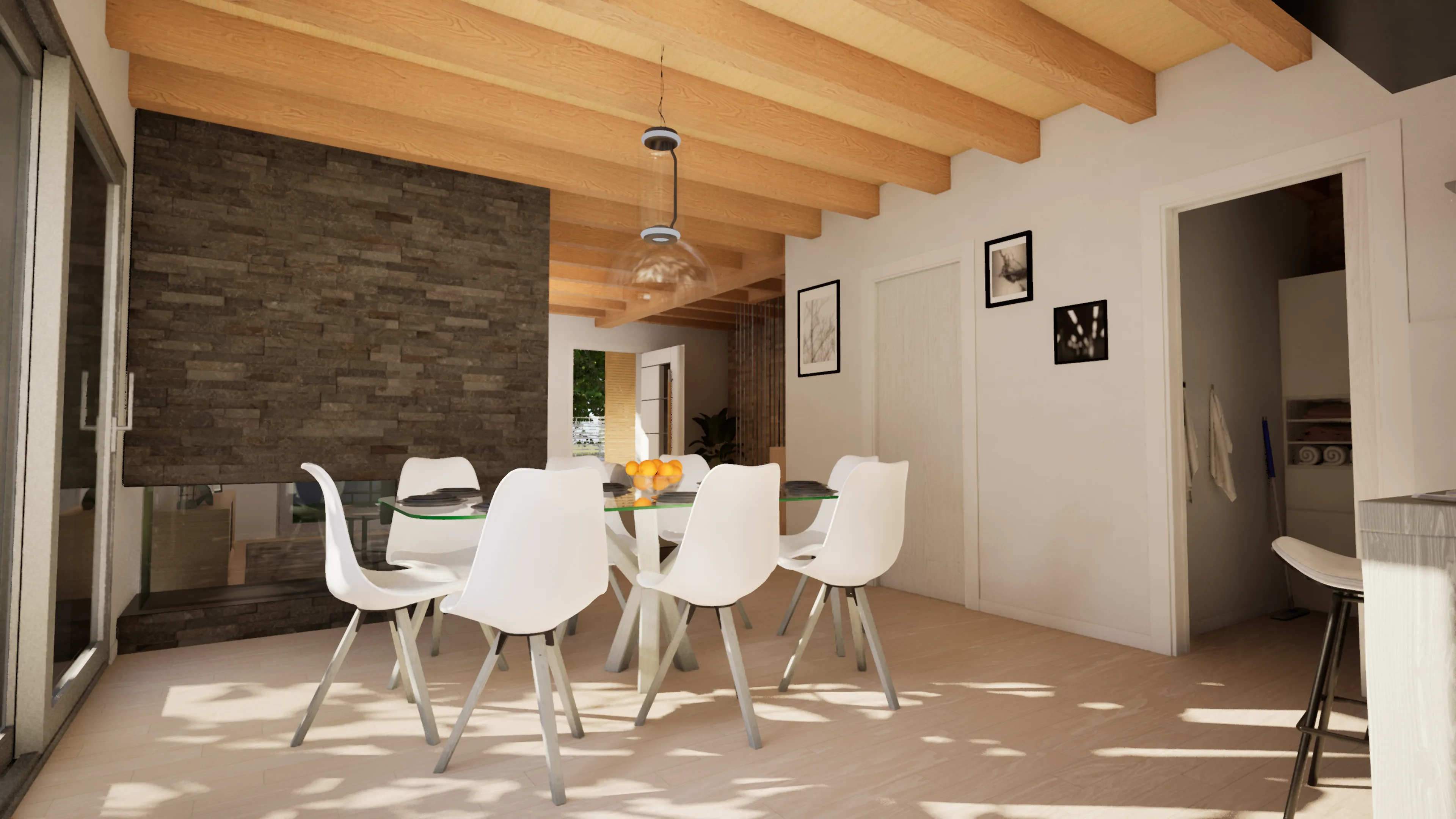
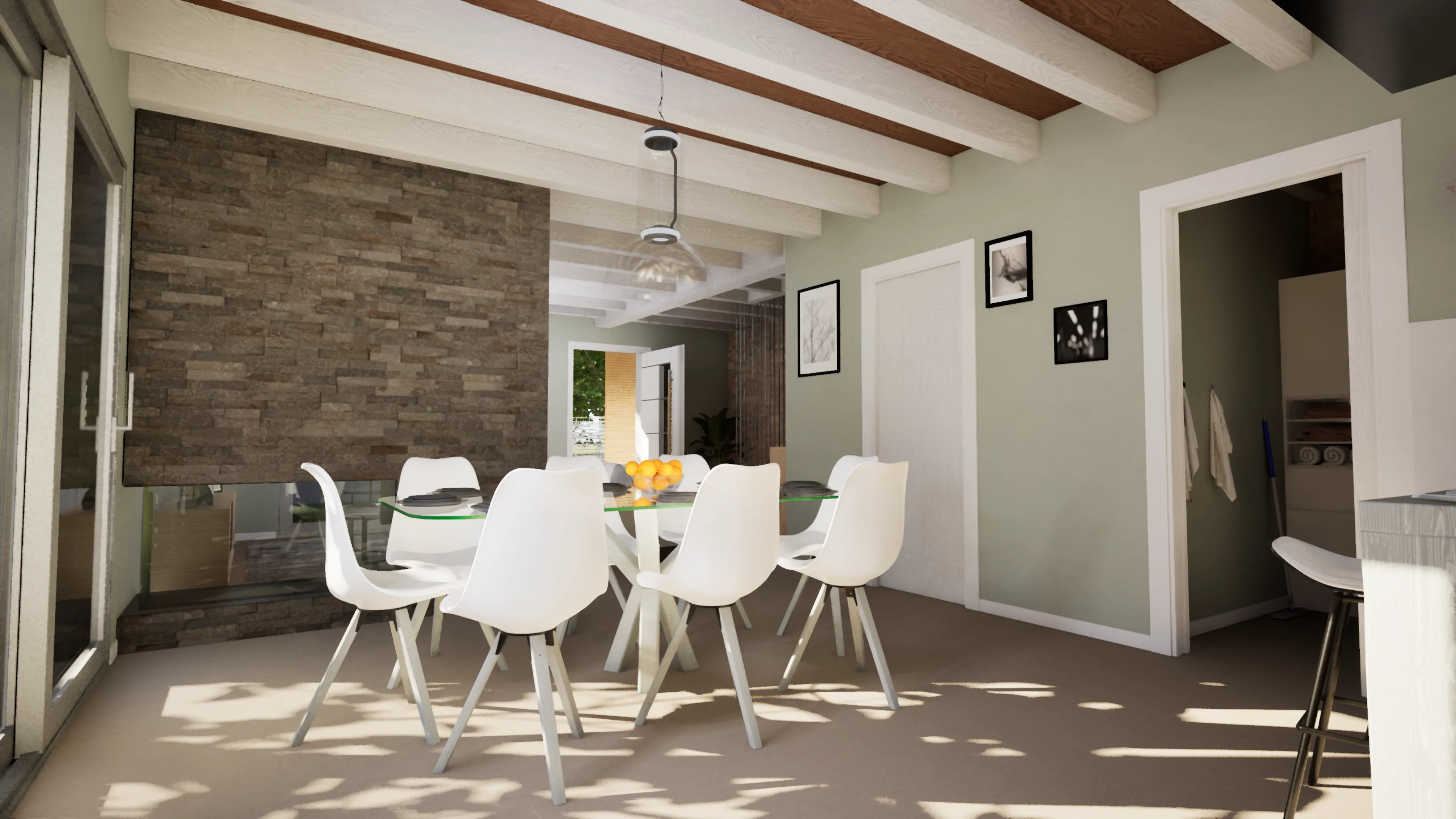
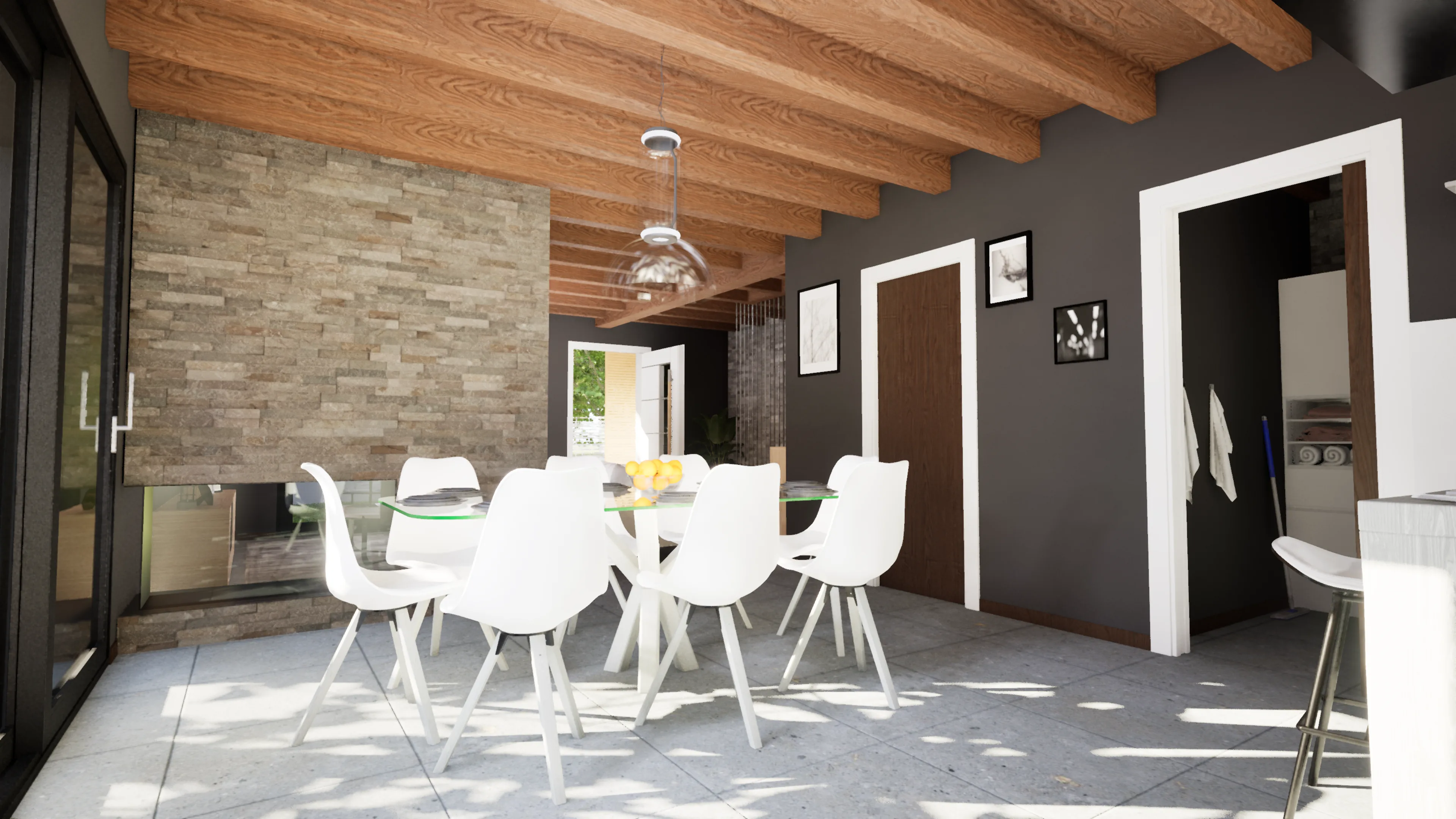
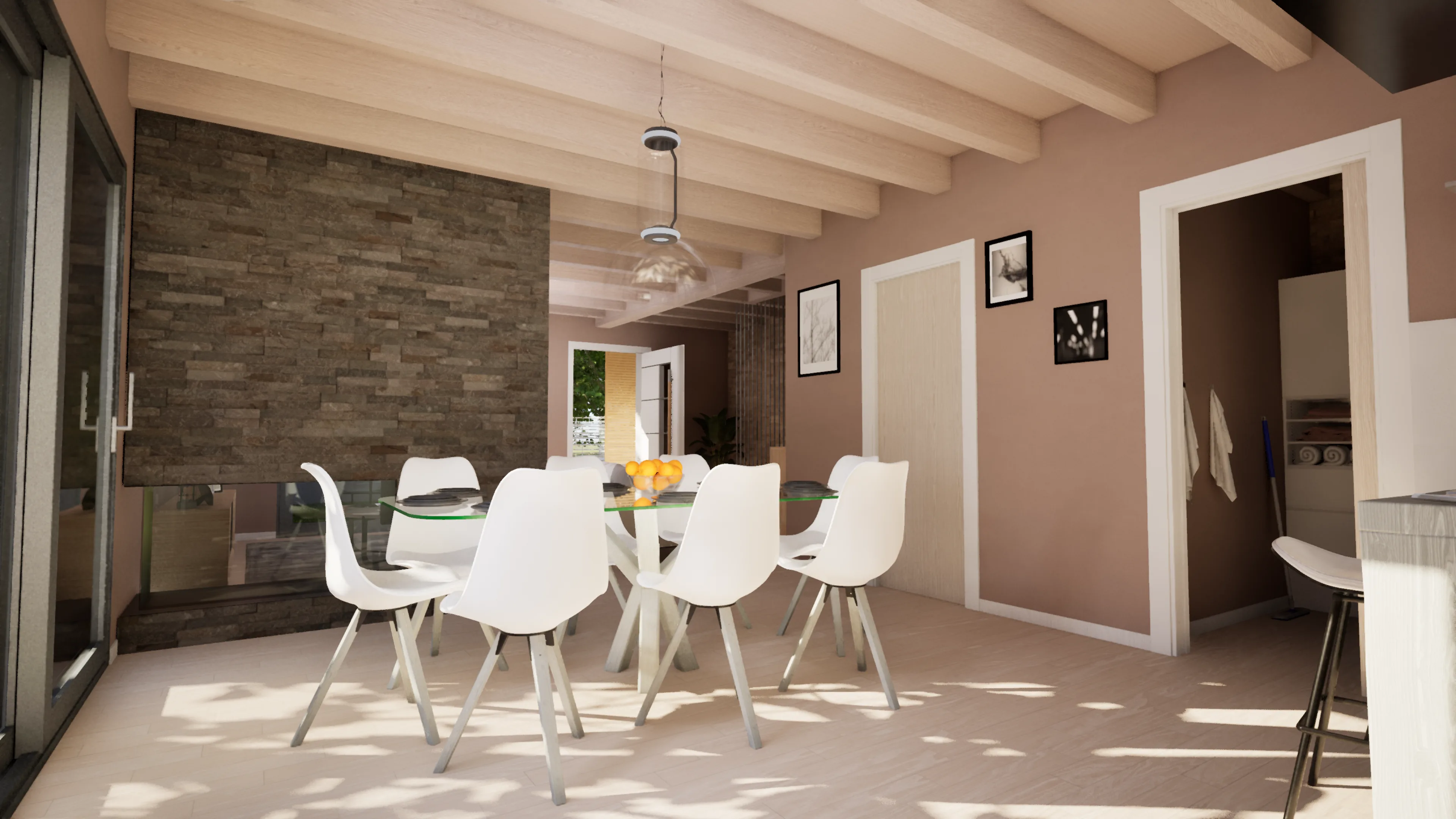 Natural
Simplified demo. A real configurator handles hundreds of combinations with pricing logic, constraints and integrated channels.
Services
Three levels, one shared project base
Web Configurator
Bring your product online in a professional, interactive way. Ideal for letting customers explore variants and finishes directly from your company website.
Sales Configurator for Showroom and PC
Support assisted sales, sales consulting and presentations. A concrete ally for the sales team in the showroom or at the customer's site.
PCVR / XR Premium Layer
For demos, trade shows and immersive experiences when they bring real commercial value. A high-impact optional extension, not the heart of the project.
Sectors
Suited to configurable products across multiple industries
Our model works well wherever there are variants, finishes, combinations and a need for sales support. A few examples where the 3D configurator brings concrete benefit:
My Galaxy Solutions
Our approach
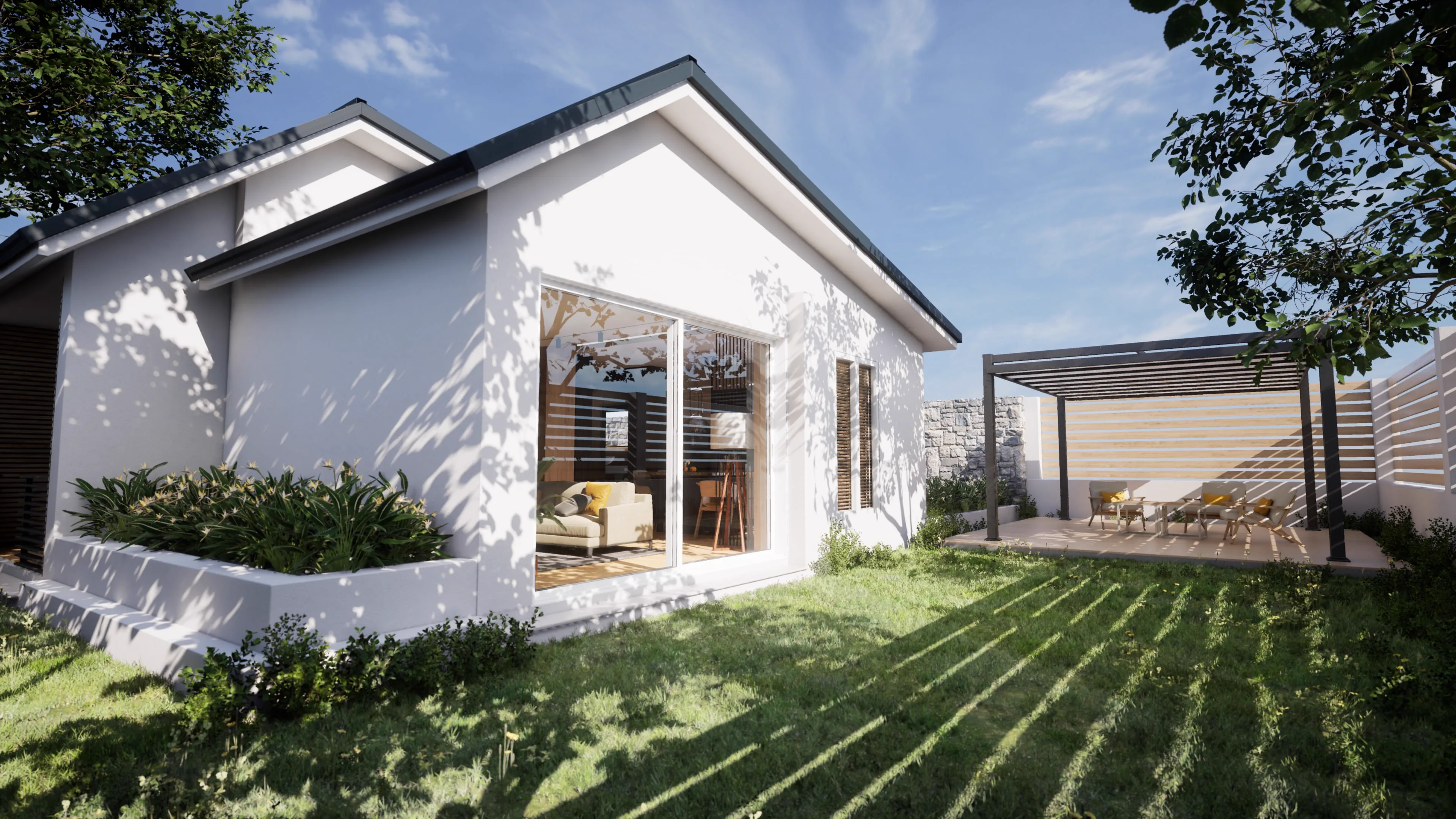
A sales tool, not a special effect
We design 3D configurators with sales logic, not spectacle. The goal is for the end customer to grasp the product faster and for the sales team to have a clear tool to use online, in the showroom and during dedicated demos.
- Cuts explanation time during the sale
- Makes variants and finishes easy to compare
- Raises the product's perceived value
We take care of the whole journey: product analysis, configuration logic, 3D modelling and integration into the chosen channels.
LET'S EVALUATE YOUR CASE TOGETHER
Tell us about your product, the number of variants and the main channel of use. In a quick call we'll work out whether a 3D configurator is the right fit for your sales context.
Request a demoCases
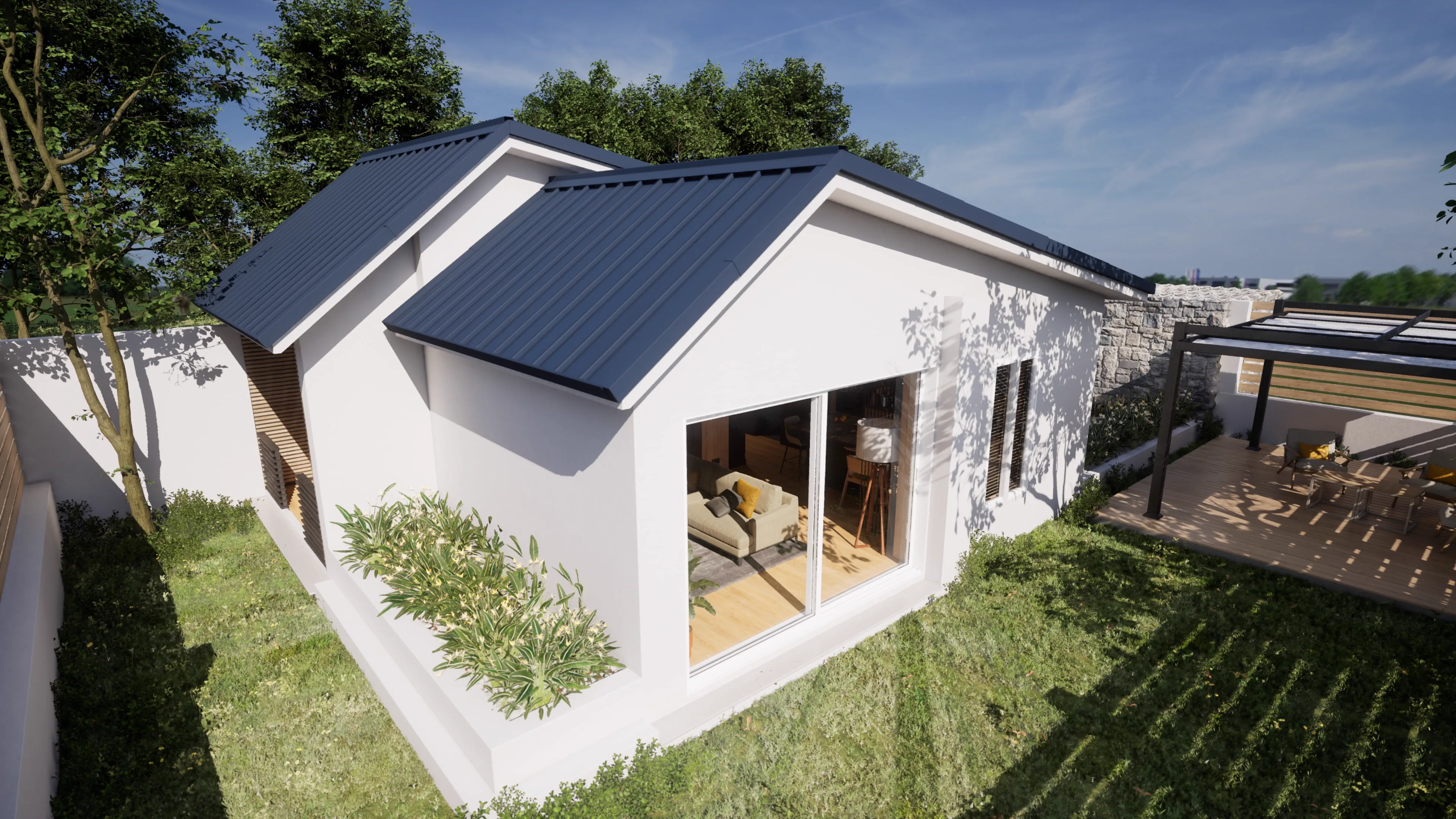
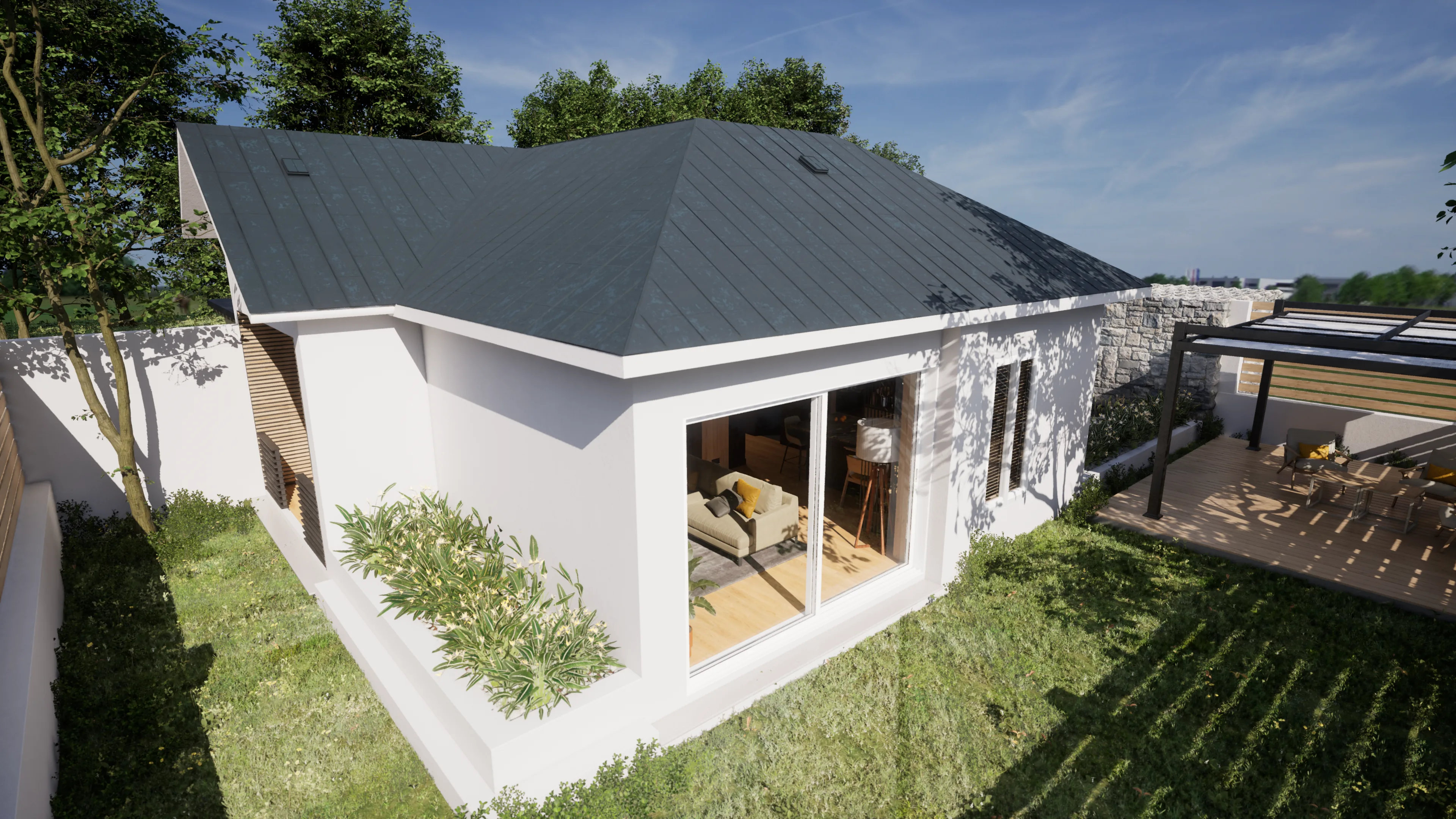
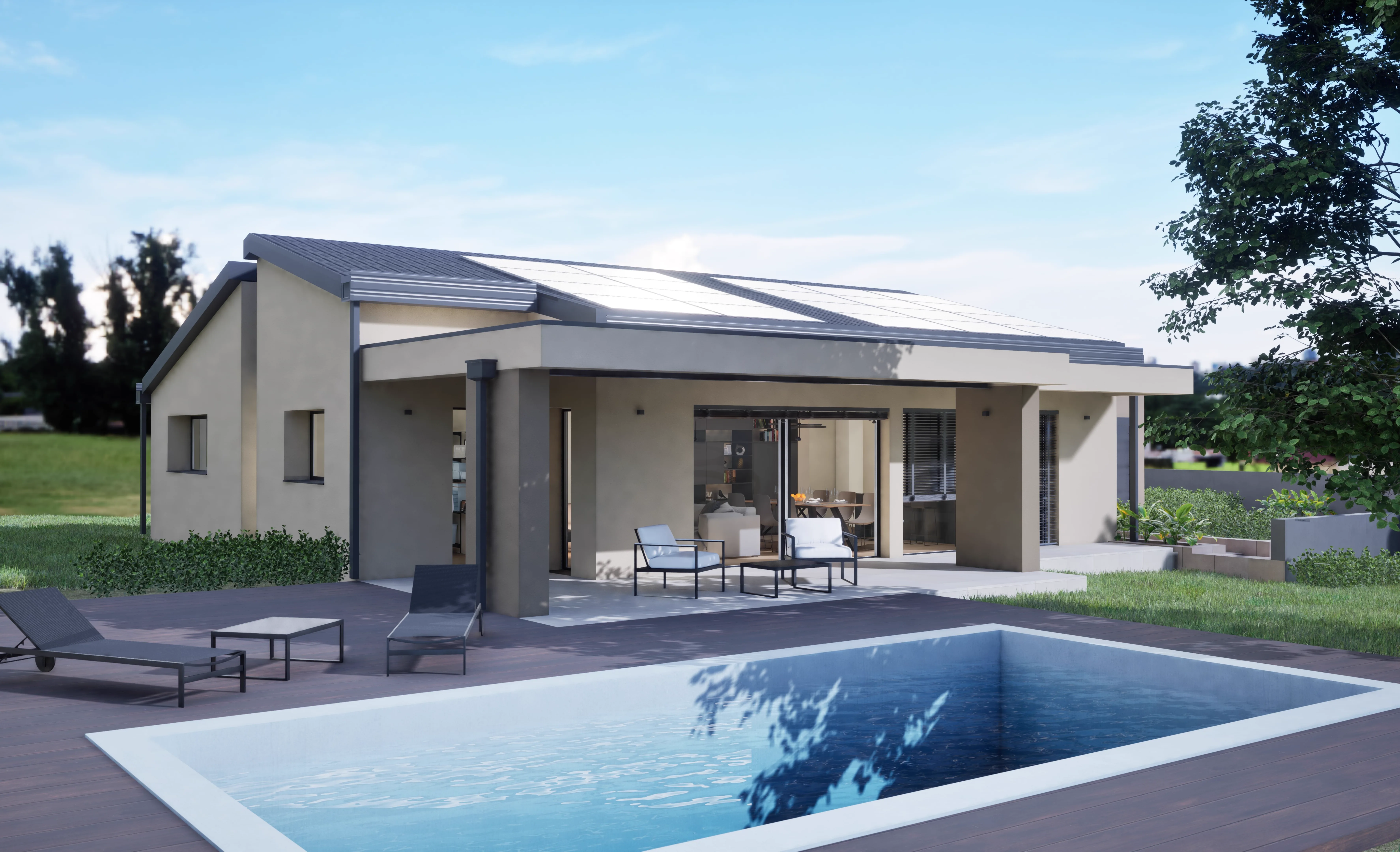
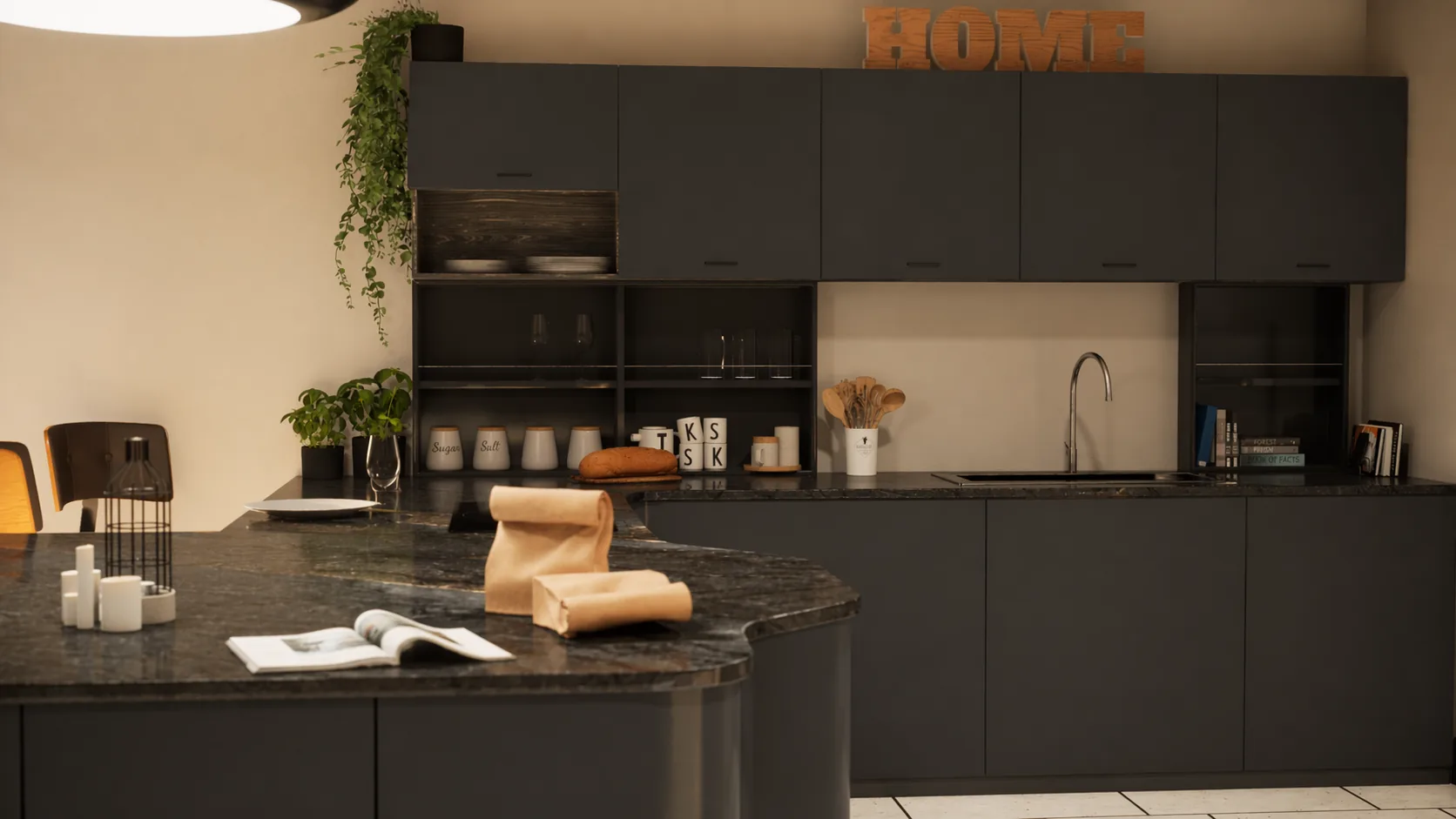
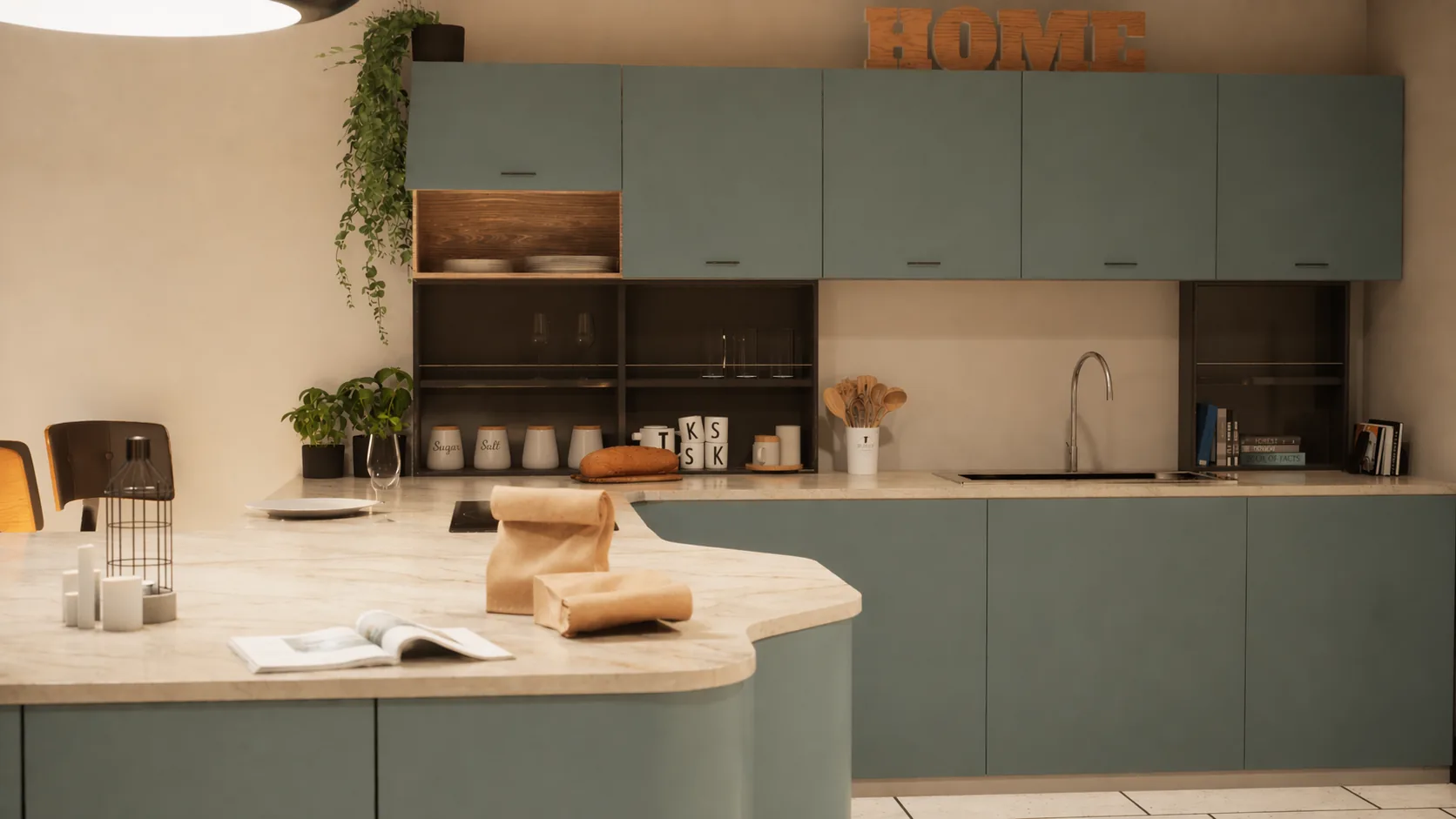
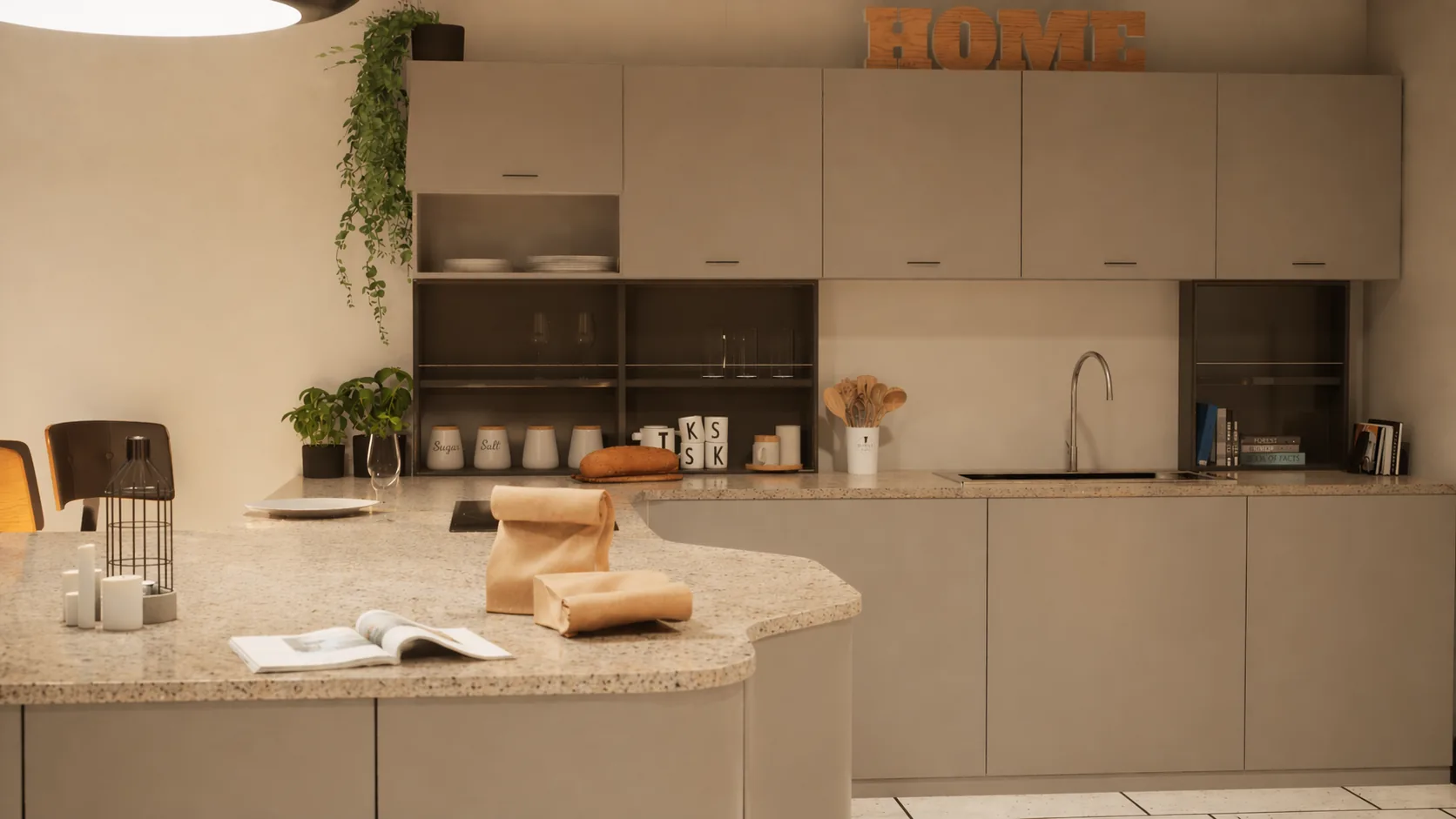
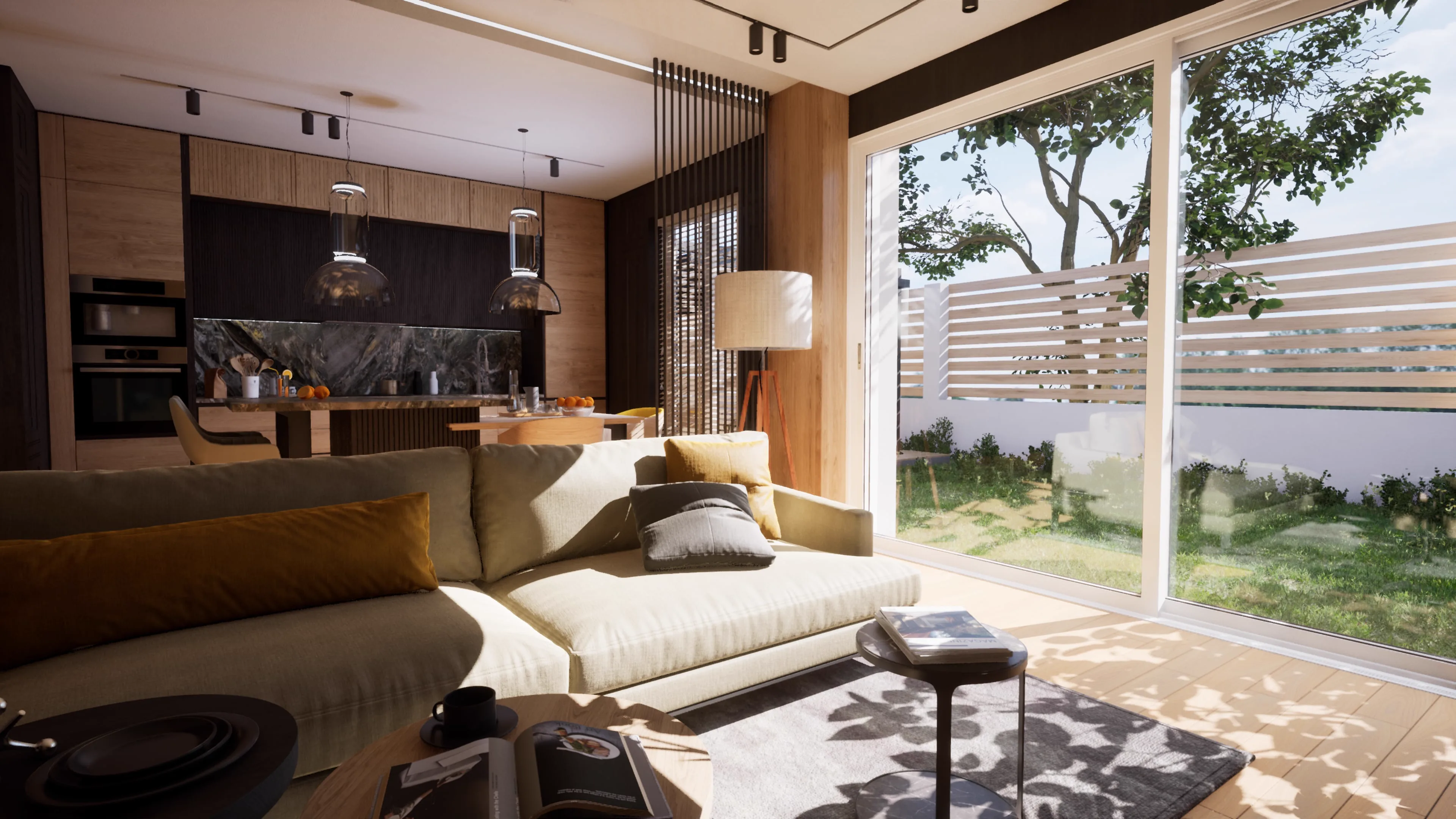
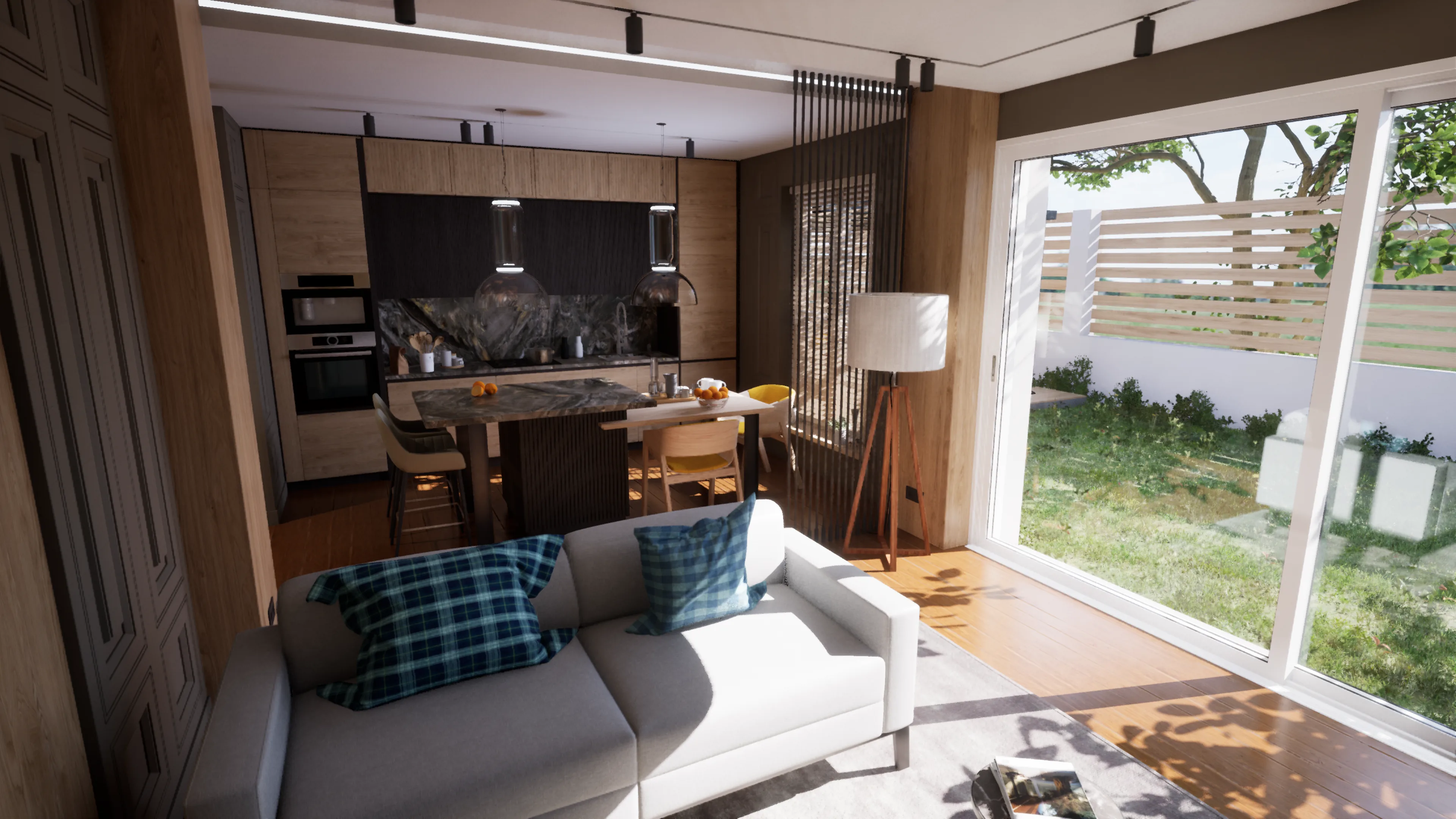
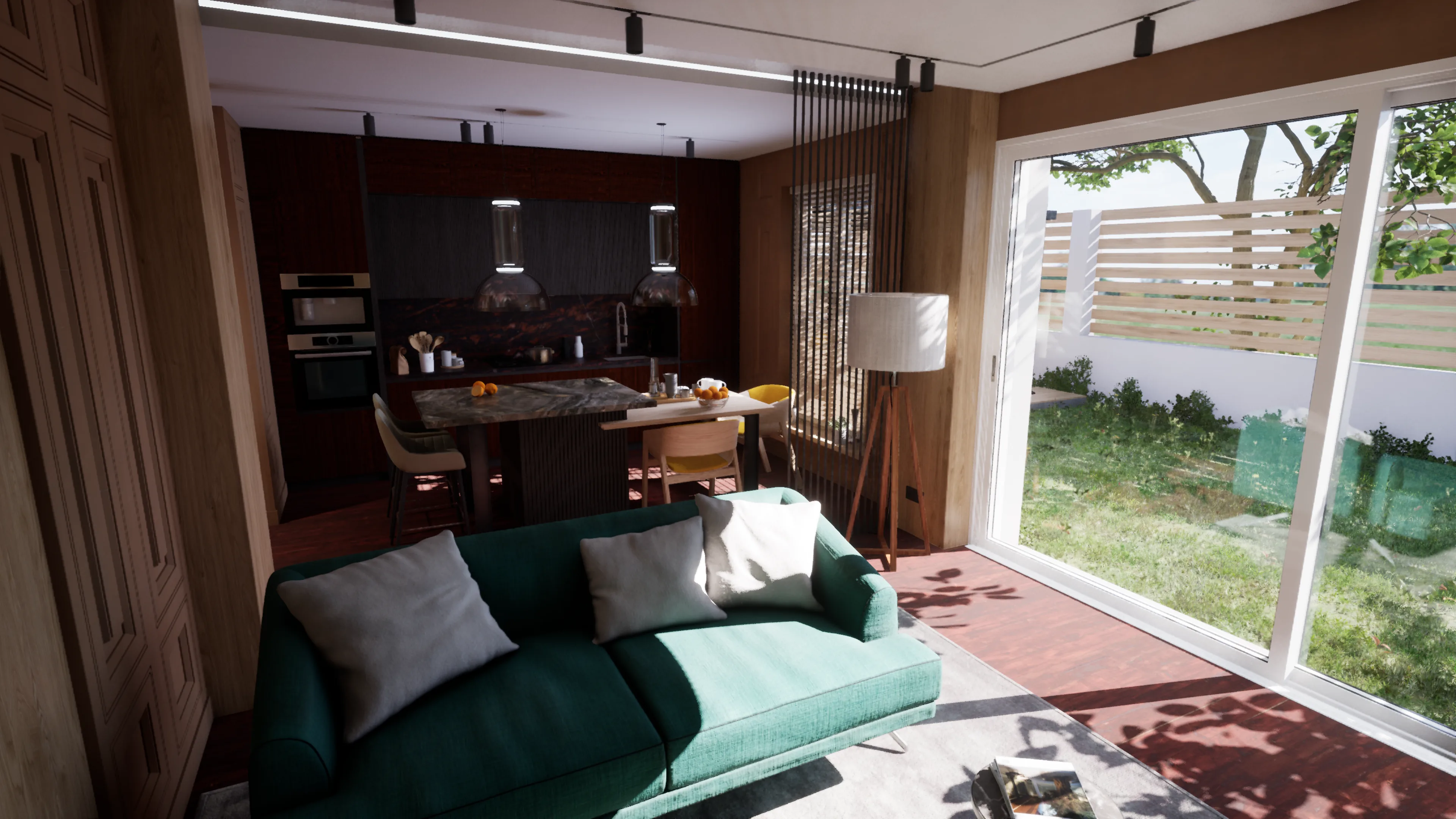
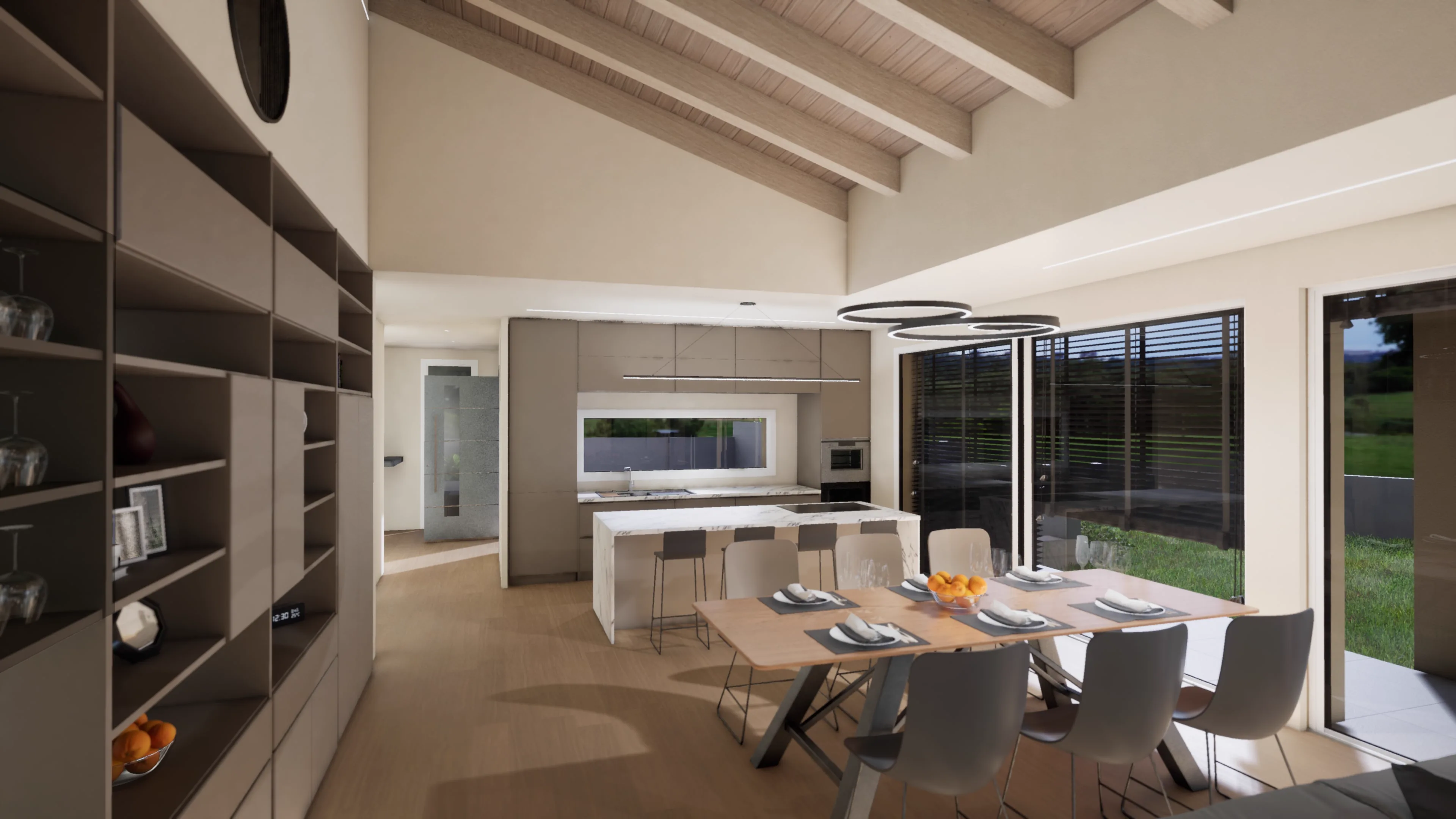
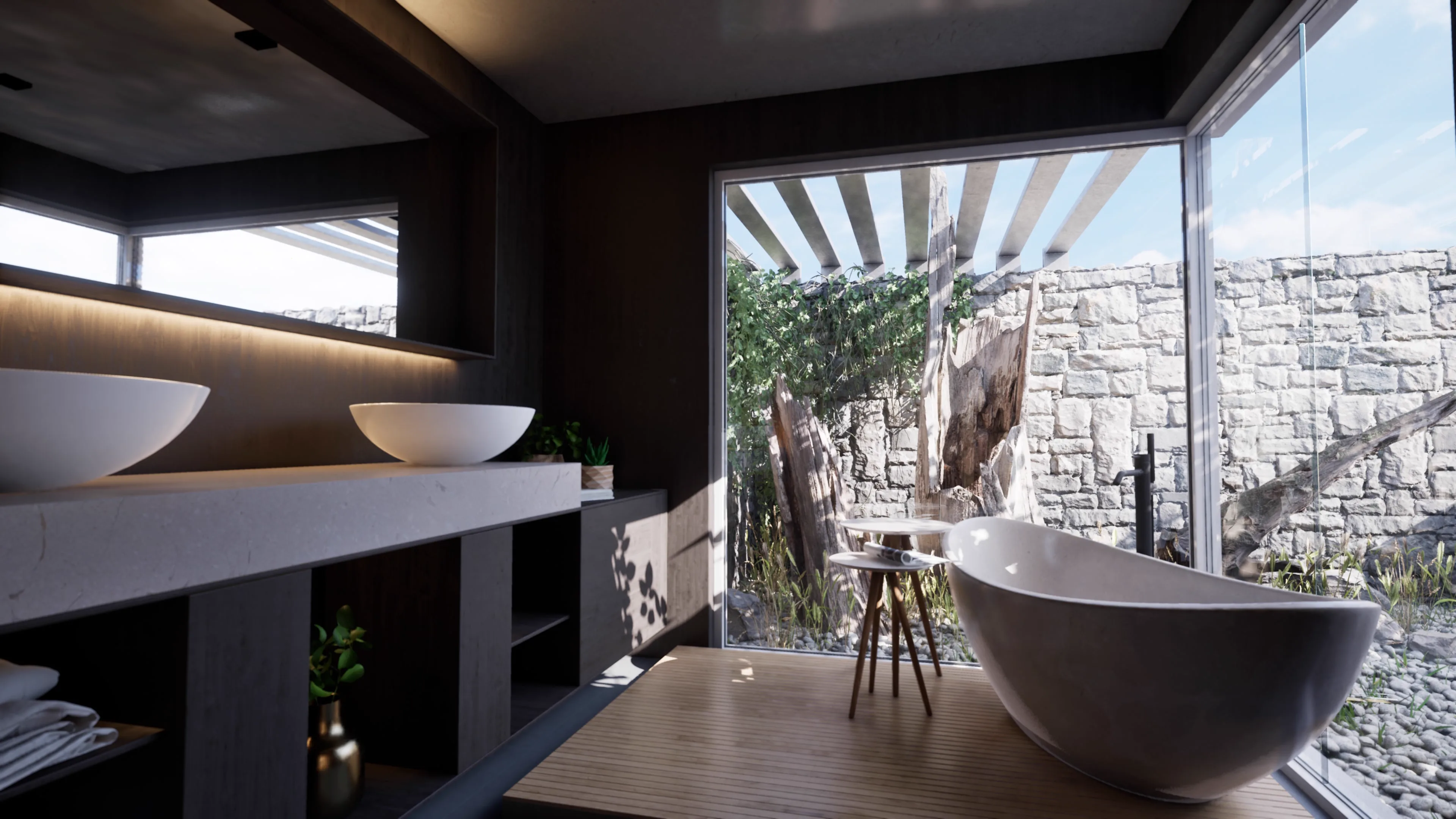
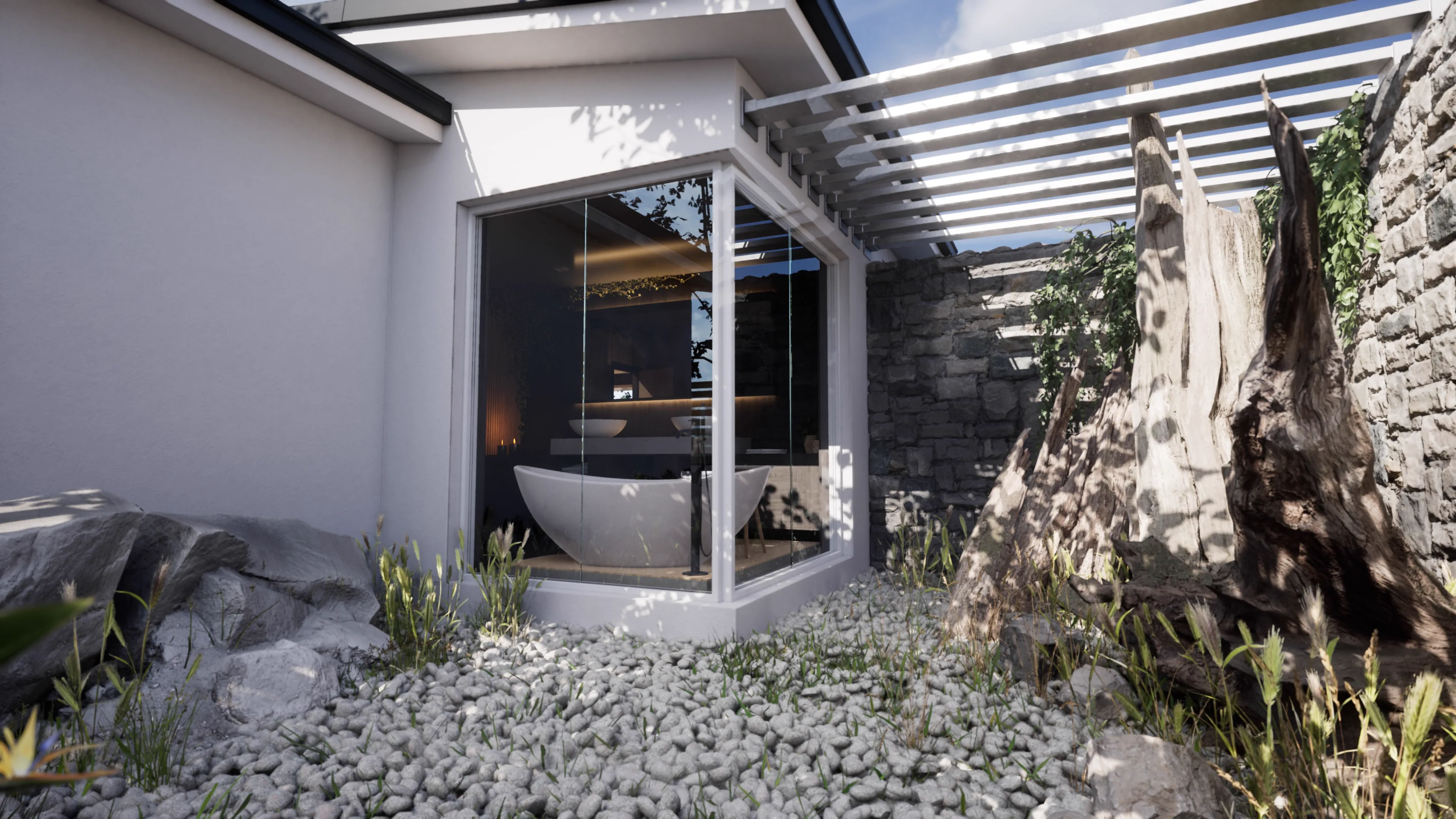
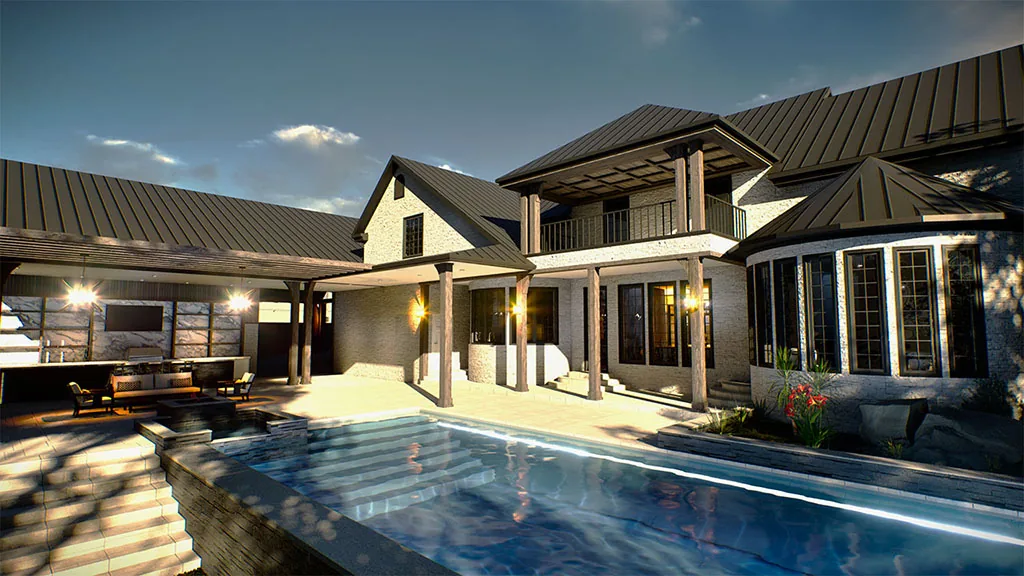
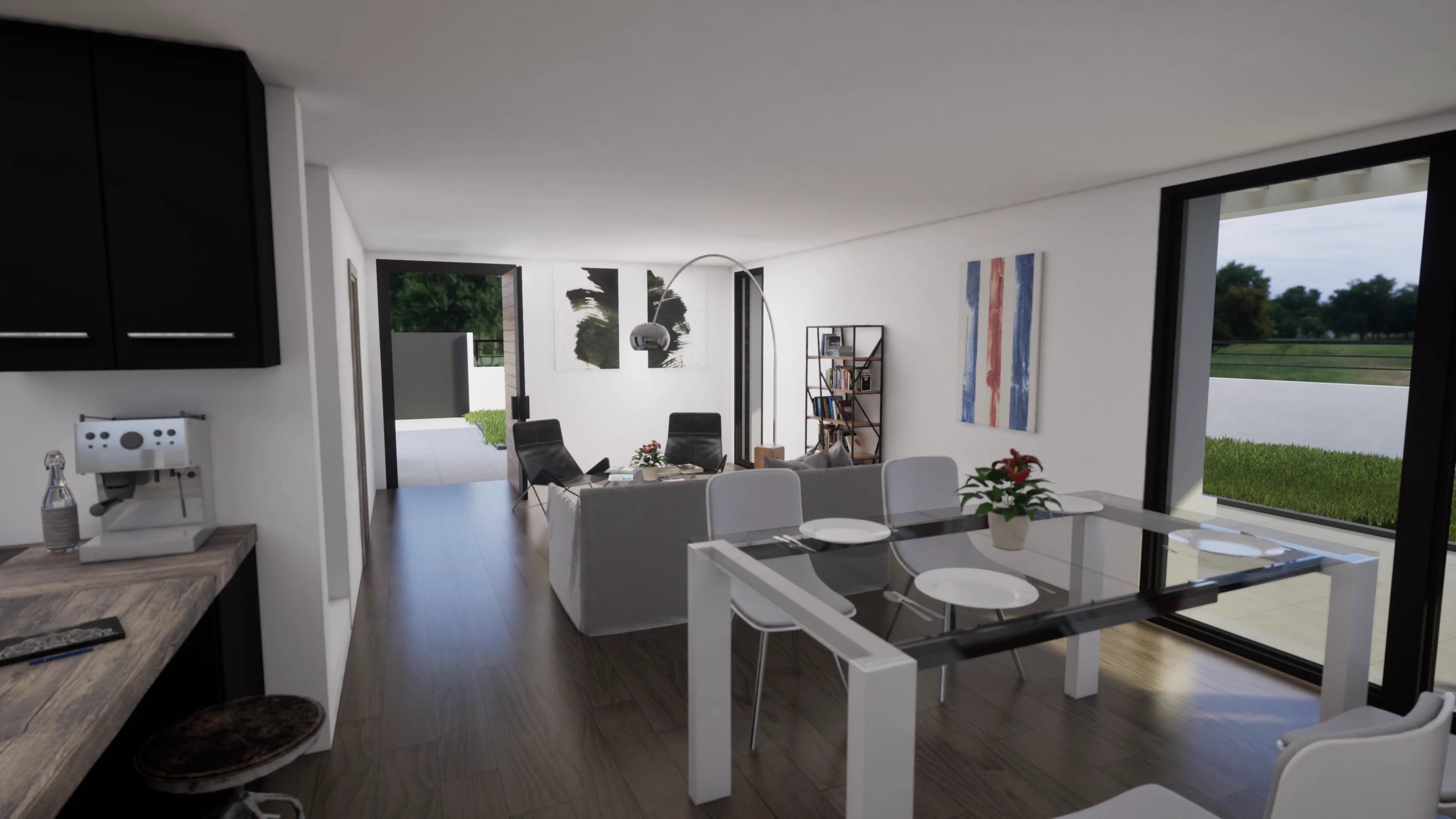
Examples of product visualisation and configuration
Collaborators
Companies we've worked with






Frequently asked questions
-
Which products make sense for a 3D configurator?
It makes sense when the product has variants, finishes, modules or combinations that customers struggle to picture on their own. If your catalogue is hard to explain with static images, or if the sales conversation requires too many back-and-forth steps to clarify the options, a configurator becomes a concrete sales tool.
-
Do I need ready-made 3D models?
No. If you already have 3D models (from CAD or renders) we evaluate them and optimise them for the configurator. If you don't, we build them ourselves from spec sheets, drawings or real products, at a quality matched to the intended commercial use.
-
Web, PC or PCVR — which is better?
It depends on the channel. Web is the foundation and fits the company website. The PC version is designed for showrooms and assisted sales, where fluidity and control matter. PCVR is a premium extension that makes most sense at trade shows, events and dedicated demos. As a rule, you start with web and/or PC, and add VR only when it brings real commercial value.
-
How many variants can it handle?
There's no strict technical limit: we handle both small finish sets and catalogues with many options and combinations. The right choice is usually a trade-off between completeness and clarity for the customer: we structure the configuration so it stays readable, even when there are many variants.
-
Is it suitable for showrooms and trade shows too?
Yes — and these are the contexts where it pays back the most. In the showroom it supports assisted sales by quickly showing variants that aren't physically on display. At trade shows it helps present the full offering in a small footprint, and when more impact is needed, the PCVR layer can be added for immersive demos.
-
How much does 3D model quality matter?
A lot, but it has to be calibrated to the goal. For the web, the right balance between fidelity and performance matters. For PC showroom and PCVR we can push detail and realism further. The goal isn't rendering for its own sake — it's making the customer understand exactly what they're buying.
-
How long does a first project take?
It depends on the complexity of the product, the number of variants and the data available to start from. We usually begin with an MVP focused on a single product or product line — to validate the logic and commercial usefulness — and then extend coverage across the catalogue.
See how it works
Let's evaluate together the type of product, the number of variants, the main channel of use and the level of realism that fits best.
Request a demo
The Team
The people behind the project
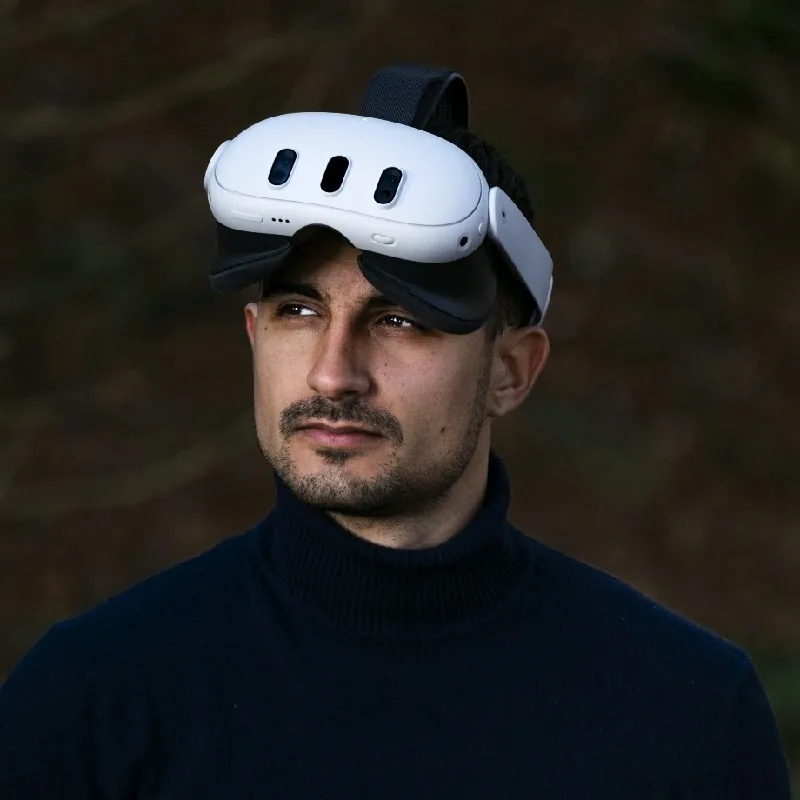
Yuri Biasi
Co-Founder & CEO